
Depression Therapy
Depression can make life feel heavy, disconnected, and difficult to engage with, even when things look “fine” from the outside. You may feel tired, unmotivated, isolated, or unsure why the things you once enjoyed no longer feel the same.
You are not alone, and feeling this way does not mean you are broken. Depression therapy can help you understand what you’re experiencing, reconnect with yourself, and begin finding a way back to hope, meaning, and joy.
Depression is more than feeling sad once in a while. It can feel heavy, isolating, and deeply exhausting.
Understanding Depression
Depression & Burnout
Persistent sadness, hopelessness, low energy, or a loss of interest in things that once felt meaningful. It may affect sleep, appetite, motivation, and your ability to feel present in daily life.
High Functioning Depression
You may appear to be managing responsibilities while feeling numb, exhausted, or disconnected inside. This type of depression can be especially hard to recognize because things may look “fine” from the outside.
Major Depression
Persistent sadness, hopelessness, low energy, or a loss of interest in things that once felt meaningful. It may affect sleep, appetite, motivation, and your ability to feel present in daily life.
DEPRESSION IS TREATABLE
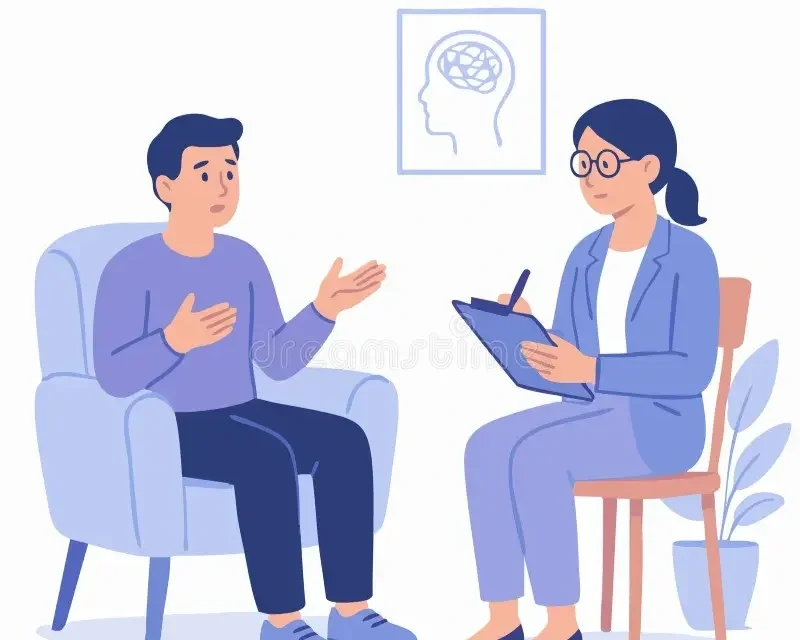
Healing is possible, and depression does not have to define your life forever. Therapy can help you reconnect with yourself, process what feels heavy, and gradually rebuild a sense of hope, energy, and emotional balance.
Benefits of Depression Therapy
- Explore the thoughts, emotions, and experiences contributing to depression
- Develop healthier ways to cope with sadness, numbness, or low motivation
- Process feelings of isolation, hopelessness, or disconnection
- Build self-compassion and reducing harsh self-criticism
- Reconnect with meaning, relationships, and a stronger sense of self meaning, relationships, and a stronger sense of self
My Approach to Depression Therapy
I don't have a one-size-fits-all approach to depression therapy. Depression can look different for each person, so treatment should be thoughtfully tailored to your experiences, symptoms, and goals.
Depending on what feels most supportive, therapy may include CBT, behavioral activation, self-compassion work, mindfulness-based strategies, emotion regulation skills, interpersonal therapy, or EMDR. Together, we’ll explore what helps you feel less stuck and more connected to yourself and your life.
Start Depression Treatment
Depression can improve with the right support. Together, we’ll explore what healing looks like for you.