

Play Therapy
Play Therapy can offer a creative and supportive way for clients, especially children, to explore emotions, experiences, and inner thoughts. Through play, imagination, and therapeutic activities, clients can express what may be difficult to put into words.
Together, we work at a pace that feels safe and grounded, using the play therapy process to support emotional understanding, healing, problem-solving, and a greater sense of confidence in daily life.
Understanding Play Therapy
Play therapy is a developmentally appropriate approach that uses play as a child’s natural language. Through carefully chosen toys, activities, and creative expression, children can explore emotions, process experiences, build resilience, and develop healthier ways of coping and connecting with others.
Free Expression
In Play Therapy, children are given the space to lead and express themselves in a way that feels natural to them. This helps them feel seen, respected, and supported in the therapy room.
Therapeutic Relationship
A safe and trusting relationship with the therapist is at the heart of Play Therapy. When a child feels emotionally safe, they are more able to explore feelings, experiences, and challenges.
Emotional Expression
Play allows children to communicate feelings they may not yet have the words to explain. Through toys, art, storytelling, or imagination, children can begin to process what they are experiencing.
Coping and Problem Solving
Play Therapy can help children practice new ways of handling emotions, stress, and conflict. These skills can support greater confidence, flexibility, and emotional growth over time.
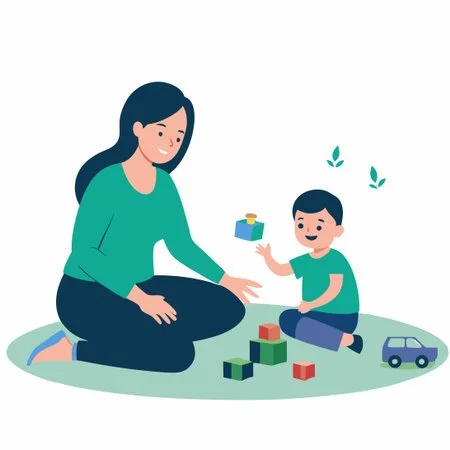
PLAY THERAPY CAN HELP CREATE CHANGE
Play Therapy gives children a developmentally appropriate way to work through big feelings, life changes, and difficult experiences. By meeting children in their world, therapy can help them build resilience, strengthen communication, and develop healthier ways of relating to themselves and others.
Benefits of Play Therapy
- Helps children feel more in control of their emotions and choices.
- Supports healthy attachment and stronger relationships.
- Encourages creativity as a path toward healing.
- Helps children work through transitions, loss, or stress.
- Builds self-esteem by allowing children to feel capable, heard, and understood.
My Approach to Play Therapy
I do not believe in a one-size-fits-all approach to Play Therapy. Each child brings their own personality, needs, emotions, and way of communicating, so therapy should meet them where they are.
Depending on your child’s needs, Play Therapy may include storytelling, art, games, role-play, emotional skill-building, and parent support. Together, we use play as a therapeutic tool to help your child feel understood, work through challenges, and grow in confidence over time.
Start Play Therapy
Play Therapy can support growth through imagination, connection, and developmentally appropriate support. Together, we’ll use play to help your child express themselves, build new skills, and move through challenges in a way that feels natural and supportive.